
Treating bruxism with botulinum toxin in Wolfsburg
Bruxism – nocturnal or unconscious teeth grinding and jaw clenching – can wear down teeth and cause jaw, neck and tension headaches. At our Wolfsburg practice, physician Rafee El Kaddour relaxes the overactive chewing muscle (masseter) precisely with botulinum toxin. The goal is less pressure and tension – without restricting your ability to chew.
How does botulinum toxin help with teeth grinding?
Botulinum toxin is injected into the chewing muscle, where it reduces the force used to unconsciously clench and grind. The muscle works less strongly but is not switched off, so normal chewing is preserved. This eases pressure, tension and the associated symptoms. The effect builds up over one to two weeks.
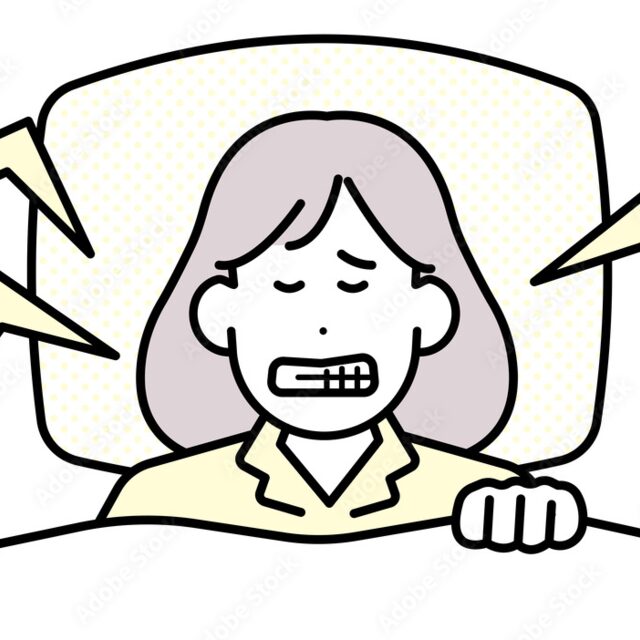
The masseter is the powerful chewing muscle on the side of the lower jaw. In bruxism it is often chronically overactive and can be palpably enlarged. Botulinum toxin specifically reduces its activity, so the night-time clenching and grinding happens less often and with less force.
The treatment can ease jaw tension, morning jaw stiffness and the associated tension and neck headaches. Because chewing force is reduced, a strong chewing muscle often also becomes slimmer over time – a welcome but not guaranteed side effect.
Botulinum toxin treats the muscular overactivity, not its cause. Grinding can be linked to stress, sleep or bite position. We therefore see the treatment as one building block and, depending on findings, recommend a dental check-up, a bite splint or stress management.
Important: in Germany, using botulinum toxin for bruxism is off-label, i.e. outside its formal marketing authorisation – an established but individually assessed approach. Where teeth are already damaged, it also does not replace dental treatment. In the consultation we honestly assess whether the method makes sense for your symptoms.
How the treatment works
- 01Free introductory appointment and palpation of the chewing muscle on both sides
- 02Clenching to locate the strongest part of the muscle
- 03A few fine injections per side into the masseter
- 04Symmetric dosing tailored to your individual muscle strength
- 05Duration: about 10–15 minutes, usually with no downtime
Results & longevity
The effect is not immediate: many feel initial relief after a few days, with the full result after one to two weeks. Symptom relief usually lasts about three to six months. With repeated treatment the muscle’s activity often diminishes and the effect can last longer.
Results are individual and can vary depending on your starting point, muscle activity and dosing. You will receive a realistic assessment for your situation in a personal consultation.
Risks & side effects
Risks & side effects
- Common and temporary: mild redness or a small bruise at the injection site.
- In the first one to two weeks: a sense of chewing fatigue or slightly reduced bite force, especially with hard foods – usually mild and temporary.
- Occasionally: a feeling of tightness or brief tenderness in the jaw area.
- Rare: a temporary asymmetry or a slightly altered smile if the muscle is over- or unevenly treated – avoidable with experienced, measured injection.
- Please contact us promptly if you notice marked chewing or swallowing difficulties.
When should treatment be avoided?
- Pregnancy and breastfeeding
- Certain neuromuscular conditions (e.g. myasthenia gravis)
- Known allergy to ingredients of botulinum toxin
- Acute infection or inflammation in the jaw area
- Markedly weak chewing muscles or existing chewing/swallowing weakness – here we treat only very cautiously; jaw-joint problems (TMD) are clarified with a dentist beforehand
Aftercare
- Do not firmly massage the chewing muscle for the first few hours
- Keep your head upright for about 4 hours; do not lie down
- No intense sport, sauna or tanning for 24 hours
- Avoid very hard or chewy foods for the first few days until the jaw settles
Who is it for?
Suitable for nocturnal grinding, jaw clenching and associated tension or tension headaches. It eases the muscular overactivity but does not replace a bite splint or dental evaluation of the underlying cause.
Every medical treatment carries risks. This information does not replace a personal medical consultation. The individual medical guidance on suitability, the procedure and possible side effects takes place before the treatment, at your in-person appointment.
Price
from €299
The exact price depends on individual scope and is discussed in the consultation.
View pricing- High-quality brand products
- Correct storage
- Batch documentation
- Fresh single-use
Frequently asked questions
Will I still be able to chew normally?
Yes. We dose so that chewing force is reduced but preserved. In the first one to two weeks, chewing hard foods may feel a little more tiring.
When does the grinding ease?
The effect builds over one to two weeks; it is not noticeable straight away. Most people sense initial relief after a few days.
Do I still need a bite splint?
Often yes. Botulinum toxin relaxes the muscle, while a splint additionally protects the teeth. Depending on findings, we recommend coordinating with your dentist.
Will my face become slimmer?
With a strong chewing muscle the cheek may look slightly slimmer over time. That is a possible but not guaranteed side effect – the focus is on symptom relief.
What does bruxism treatment cost in Wolfsburg?
Treatment of the chewing muscle starts from €299, depending on the amount needed for both sides. The introductory appointment is free and without obligation.
Is botulinum toxin approved for teeth grinding?
Treating bruxism with botulinum toxin is off-label in Germany, i.e. outside its formal authorisation. It is an established approach used in professional practice, which we weigh up with you individually and honestly – without promises of a cure.
How often does treatment need repeating?
The effect usually lasts about three to six months and can then be refreshed. With repeated treatment the muscle activity often diminishes, so longer intervals become possible.
How is bruxism different from TMD jaw problems?
Bruxism is the grinding and clenching itself; a craniomandibular dysfunction (TMD) affects the jaw joint and can have other causes. If TMD is suspected, we clarify with a dentist beforehand whether muscle treatment is appropriate.
Sources
General medical reference information – it does not replace a personal medical consultation.
Related topics
Ready for the first step?
Arrange your free, no-obligation introductory appointment – we take time for your questions, goals and an honest first impression.
The introductory appointment is a no-obligation information meeting and is not a medical consultation or diagnosis; the individual medical guidance takes place before any treatment.